
In today’s digital-first world, social media has become one of the most powerful and effective tools for small businesses to expand their reach, reputation, and customer base. With billions of users actively engaging on different platforms every single day, social media offers a dynamic space where businesses can showcase their brand identity, share valuable content, and build authentic connections with their audience.
Platforms like Instagram, Facebook, LinkedIn, and TikTok provide small business owners with cost-effective and measurable marketing opportunities, allowing them to connect directly with potential customers, promote their products or services, and strengthen their brand presence in competitive markets. By maintaining a consistent and strategic online presence, small businesses can not only increase visibility but also foster long-term relationships that lead to customer loyalty, repeat sales, and sustainable growth.
Here are the top advantages of social media marketing that can help small businesses achieve sustainable growth and long-term brand success.
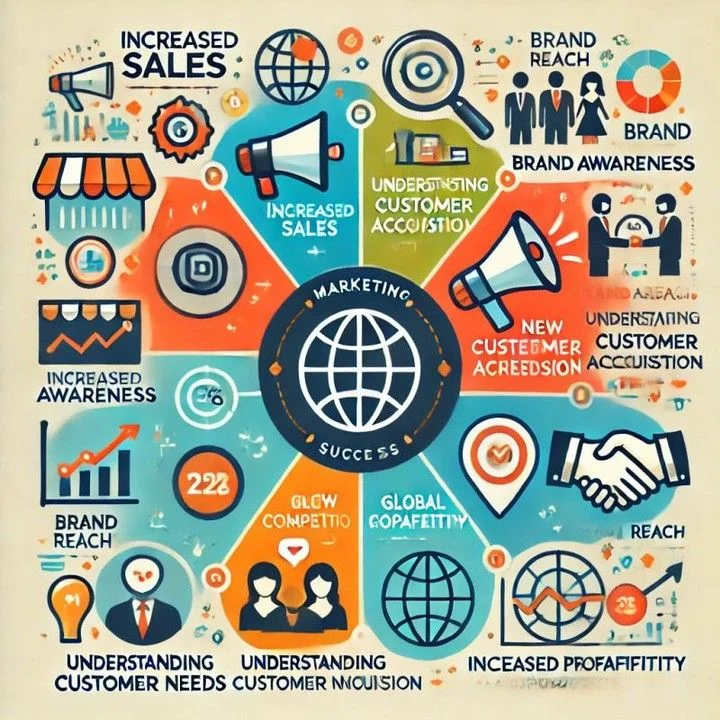
1.Boosts Brand Visibility and Awareness
Social media provides unmatched exposure and accessibility for small businesses striving to make their mark in today’s competitive digital landscape. With millions of people scrolling through platforms like Instagram, Facebook, LinkedIn, and TikTok every day, having an active presence allows your brand to be seen, recognized, and remembered by a diverse audience.
Consistent Content and Creative Storytelling
By consistently sharing valuable content, eye-catching visuals, and interactive posts—such as polls, reels, quizzes, or stories—small businesses can easily attract and retain the attention of both local and global audiences. Social media platforms serve as digital billboards where your brand’s voice, personality, and message can shine through creative storytelling, helping you stand out from competitors who may still rely on traditional forms of promotion.
Top-of-Mind Presence Through Regular Posting
Regular posting ensures your brand remains top-of-mind among followers. The strategic use of hashtags, trending topics, and user-generated content can significantly increase your discoverability, allowing your business to reach new potential customers organically. Platforms also reward consistent engagement, meaning the more you post and interact, the higher your chances of appearing in user feeds and recommendations.
Small Efforts, Big Impact
Even a small but steady effort, like sharing behind-the-scenes glimpses of your team, customer success stories, or product tutorials, can make your brand more recognizable, relatable, and trustworthy. Over time, this consistent visibility helps build a strong brand identity that connects emotionally with your audience, transforming casual followers into loyal customers and brand advocates.
Long-Term Brand Recall
Ultimately, social media doesn’t just help you get noticed—it helps you stay remembered, ensuring your business maintains a lasting presence in the minds of your target audience.
2. Cost-Effective Marketing Strategy
One of the key advantages of social media marketing is its affordability compared to traditional advertising methods such as print, radio, or TV campaigns, which often require large budgets and long-term commitments. Social media offers a measurable, scalable, and budget-friendly alternative, allowing small businesses to reach a wide audience without the heavy financial burden associated with conventional promotions.
Start with Organic Strategies
Small businesses can begin with free organic strategies, such as creating engaging posts, sharing customer stories, responding to comments, and participating in niche online communities. These efforts help establish your brand voice and presence before investing in paid advertising. As engagement grows, businesses can gradually introduce targeted paid campaigns to further amplify reach and connect with audiences most likely to convert.
Advanced Targeting and Flexible Budgets
Platforms like Facebook, Instagram, and LinkedIn provide advanced targeting options and flexible ad budgeting, enabling businesses to set daily or lifetime spending limits that suit their financial goals. Whether your budget is small or moderate, each rupee or dollar can be strategically optimized to deliver measurable results, maximizing the value of every marketing investment.
High ROI and Measurable Results
This cost-effective approach makes social media marketing a results-driven strategy. Unlike traditional ads, which are difficult to track, social media campaigns provide real-time analytics that show how your money is performing—through increased brand awareness, website visits, engagement, or sales conversions. For small businesses with limited resources, this transparency and efficiency highlight one of the most important advantages of social media marketing, making it an essential part of a modern marketing strategy.
3. Strengthens Customer Relationships
Social media plays a vital role in bridging the gap between brands and their customers, creating an open space for authentic communication and connection. For small businesses, it serves as a powerful tool to humanize the brand and make customers feel genuinely seen, heard, and valued. Unlike traditional marketing channels, social media encourages two-way interaction, enabling brands to engage directly with their audience through comments, direct messages, polls, Q&A sessions, and community discussions.
By responding promptly to questions, addressing concerns, and acknowledging customer feedback, small businesses can build trust, transparency, and emotional connection—qualities that modern consumers deeply appreciate. People no longer want to interact with faceless companies; they want meaningful engagement with real humans behind the brand. Every thoughtful reply, quick response, or word of appreciation adds a personal touch that strengthens these relationships over time.
This ongoing interaction does more than improve customer satisfaction—it transforms casual followers into loyal customers and passionate brand advocates. When customers feel a genuine bond with your business, they’re more likely to share positive experiences, recommend your products, and defend your brand in conversations.
Simple gestures such as sending thank-you messages, replying personally to reviews, or featuring customers’ photos, testimonials, or stories on your page show that you value their contribution and trust. These small but meaningful acts nurture a sense of belonging and loyalty that money can’t buy.
Ultimately, social media empowers small businesses to build a community, not just a customer base—one founded on connection, appreciation, and consistent engagement. This emotional link becomes one of the strongest drivers of long-term success and sustainable brand growth.
4. Generates Quality Leads and Website Traffic
Social media platforms are no longer just spaces for casual scrolling or engagement—they’ve evolved into powerful lead-generation tools that can directly drive business growth. For small businesses, this presents an incredible opportunity to attract the right audience without the need for massive marketing budgets. With billions of users active across platforms like Facebook, Instagram, LinkedIn, and X (formerly Twitter), social media offers the ability to connect with potential customers who are genuinely interested in your products or services.
Thanks to advanced targeting and segmentation options, small businesses can run precise and efficient ad campaigns through tools like Facebook Ads Manager, Instagram Ads, or LinkedIn Campaign Manager. These tools allow you to define your audience based on demographics, interests, behaviors, location, profession, or even purchasing intent—ensuring your marketing message reaches the people most likely to engage or convert. This level of personalization and precision targeting was once limited to large corporations, but now it’s accessible to everyone.
By sharing high-value content—such as educational blog posts, short-form videos, how-to guides, product tutorials, or customer success stories—your brand can establish authority and trust within your niche. When combined with compelling calls-to-action (CTAs) like “Learn More,” “Shop Now,” or “Get a Free Quote,” this content encourages users to take the next step, whether that’s visiting your website, subscribing to your newsletter, or making a purchase.
Every click from social media to your website represents a potential customer who already has an interest in what you offer. This not only boosts targeted website traffic but also improves your conversion rates, as these leads are more likely to engage meaningfully with your business.
Over time, an effective social media lead generation strategy can significantly enhance brand visibility, website performance, and overall business growth. With consistent optimization, small businesses can create a steady flow of high-quality leads—transforming social media from a simple engagement platform into a reliable and measurable source of revenue.
5. Enhances Brand Credibility
One of the key advantages of social media marketing is its ability to enhance brand credibility. In today’s digital-first era, an active and well-maintained social media presence plays a crucial role in shaping how trustworthy and reliable your brand appears to potential customers. Modern consumers are research-driven, often checking a company’s social media profiles before making a purchase to evaluate its authenticity, reputation, and overall online behavior.
Consistency Signals Reliability
When potential customers see consistent updates, genuine engagement, and a professional tone, it instantly signals reliability. Regularly posting about products, services, achievements, and customer experiences demonstrates that your business is active, transparent, and invested in its community. This continuous activity helps eliminate doubts and creates a strong first impression that can influence purchasing decisions.
Showcasing Social Proof
Sharing customer testimonials, positive reviews, case studies, and success stories provides tangible proof of your business’s value and reliability. Additionally, offering a glimpse behind the scenes—such as your team, workspace, or creative process—humanizes your brand, making it more approachable and relatable. Customers tend to trust brands that appear genuine and authentic, rather than overly corporate or impersonal.
Accountability Through Engagement
Promptly responding to comments, messages, and reviews, whether positive or negative, shows that your brand is accountable and customer-focused. This level of transparency and responsiveness strengthens your integrity and helps build a loyal community that trusts your brand not only for its products or services but also for its values.
Building Long-Term Trust and Social Proof
As your social media presence grows, so does your social proof—the visible evidence that others trust and recommend your brand. This credibility becomes a major factor in customer retention and word-of-mouth referrals, as satisfied clients are more likely to promote a business they perceive as dependable and authentic.
Conclusion: Credibility and Connection
Ultimately, social media is not just about visibility—it’s about building credibility and meaningful connections. By maintaining a consistent, transparent, and human-centered presence, businesses can strengthen their reputation, gain customer trust, and position themselves as reliable leaders in their industry—highlighting one of the most significant advantages of social media marketing for small businesses.
6. Provides Actionable Insights and Data
Every social media platform—whether it’s Facebook, Instagram, LinkedIn, or X (formerly Twitter)—comes equipped with powerful analytics and reporting tools that give businesses a clear picture of how their content and campaigns are performing. These built-in dashboards provide valuable insights into a wide range of performance metrics, including engagement rates, audience growth, demographics, reach, impressions, and even the specific types of posts that drive the most interaction.
For small businesses, this data is a goldmine for decision-making. By analyzing these insights, you can identify which content formats—such as videos, carousels, infographics, or stories—resonate best with your target audience. You can also determine the optimal posting times and days to maximize visibility and engagement, ensuring your efforts are both strategic and efficient.
These insights go beyond surface-level metrics; they reveal deeper patterns in customer behavior. For instance, you can understand what topics your audience engages with most, which call-to-actions (CTAs) generate clicks, and how different demographics respond to your messaging. This allows you to fine-tune your marketing approach, focusing more on what works and improving what doesn’t.
Moreover, these analytics tools allow you to track the ROI (Return on Investment) of your campaigns with precision. You can measure how many leads, website visits, or sales came directly from a particular post or ad, making it easier to justify your marketing spend and optimize future campaigns. For small businesses with limited resources, this level of transparency ensures that every rupee or dollar is used wisely and delivers measurable results.
By adopting a data-driven marketing approach, small businesses can move away from guesswork and make informed decisions that lead to consistent growth. Over time, this continuous process of analyzing, testing, and refining strategies helps improve overall marketing performance, ensuring maximum impact and long-term success.
In short, social media analytics turn raw data into actionable insights—empowering small businesses to understand their audience better, enhance content effectiveness, and achieve smarter, more profitable outcomes.

7. Encourages Organic Word-of-Mouth
Social media thrives on sharing, engagement, and personal recommendations, making it a powerful platform for organic word-of-mouth marketing. When your followers like, comment on, share, or tag friends in your posts, your content reaches audiences far beyond your existing followers, exposing your brand to potential customers who may have never encountered it otherwise. This kind of organic exposure is invaluable because people tend to trust recommendations from friends, family, or peers more than traditional advertising, giving your business credibility and authenticity in the eyes of new audiences.
Small businesses can actively encourage this type of engagement by creating shareable content that resonates emotionally or provides value—such as helpful tips, inspirational stories, or entertaining posts. Additionally, user-generated content—like photos, reviews, testimonials, or videos submitted by customers—acts as social proof and motivates others to engage and share. Hosting contests, giveaways, or challenges is another highly effective strategy to encourage followers to tag friends, repost content, or participate in community-driven campaigns, all of which naturally amplify brand visibility.
Highlighting customer success stories, milestones, or experiences not only reinforces trust but also encourages your audience to become active advocates for your brand. Each share, tag, or recommendation serves as a digital endorsement, creating a ripple effect that extends your reach without incurring additional advertising costs. Over time, these organic interactions strengthen your brand reputation, foster community loyalty, and build a network of passionate supporters who voluntarily promote your business.
In essence, social media transforms satisfied customers into brand ambassadors, enabling small businesses to expand their audience and influence naturally through the power of word-of-mouth, authenticity, and shared experiences.
8. Levels the Playing Field
One of the most empowering and unique aspects of social media marketing is that it levels the playing field, giving small businesses the ability to compete with larger corporations on the same digital platforms. Unlike traditional marketing, where high budgets often dictate reach and visibility, social media allows even small brands with limited resources to achieve significant exposure by leveraging strategy, creativity, and authenticity.
With a well-thought-out content strategy, small businesses can craft messages that resonate deeply with their target audience, tell compelling stories, and highlight their unique value proposition. Creative approaches—such as posting behind-the-scenes videos, sharing customer success stories, hosting live sessions, or running interactive polls—can capture attention and foster strong connections that rival those of larger competitors. Authentic storytelling, in particular, helps small brands build a humanized and relatable identity, which can drive loyalty and engagement far more effectively than traditional advertising methods.
Social media success is not solely determined by budget; instead, it depends on the quality of content, consistent engagement with the community, and the ability to create meaningful interactions. By focusing on these elements, small businesses can establish a strong online presence, demonstrate expertise in their niche, and leave a lasting impression on their audience.
Ultimately, this democratization of marketing power allows smaller brands to grow organically, expand their reach, and make a significant impact online—regardless of the size of their business or industry. With strategic planning, creativity, and consistent effort, social media provides a level playing field where determination and smart marketing decisions often outweigh sheer financial power.
Conclusion
Social media marketing has become an essential tool that empowers small businesses to expand their reach, engage meaningfully with their audience, and thrive in today’s highly competitive digital landscape. By leveraging platforms like Facebook, Instagram, LinkedIn, and TikTok, small businesses can increase brand visibility, strengthen credibility, and foster trust among both existing and potential customers, creating a solid foundation for long-term relationships.
The benefits of social media marketing extend far beyond engagement alone. It can drive targeted website traffic, generate high-quality leads, boost conversions, and even amplify word-of-mouth promotion—all while being cost-effective and measurable. Small businesses can track performance in real time, optimize strategies based on actionable insights, and make data-driven decisions that maximize their return on investment.
By remaining consistent, creative, and customer-focused, businesses can harness the full potential of social media to not only reach more people but also to connect with them on a deeper, more meaningful level. From crafting compelling stories and sharing valuable content to engaging authentically with followers, small businesses can transform their social media presence into a powerful engine for sustainable growth and long-term success.
In essence, social media is more than just a marketing channel—it is a strategic platform that allows small businesses to build brand authority, cultivate loyal communities, and compete confidently with larger players, leveling the playing field in the modern digital marketplace.